
Nejoum Al Sahil Carpentry
From custom carpentry to heavy-duty wooden pallets, Nejoum Al Sahil Carpentry delivers precision-built solutions across the UAE.



From custom carpentry to heavy-duty wooden pallets, Nejoum Al Sahil Carpentry delivers precision-built solutions across the UAE.


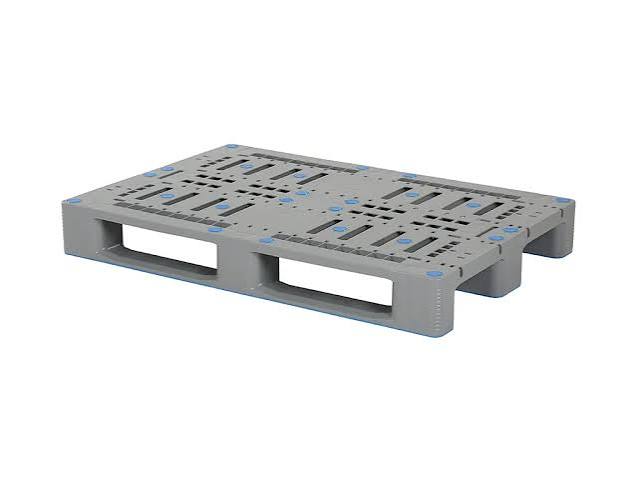
Euro pallets are widely used in warehouses, manufacturing facilities, retail businesses, and logistics operations. They help businesses store, move, and transport products safely and efficiently. When choosing pallets, one common question is whether wooden or plastic Euro pallets are the better option.
Both types have advantages and limitations. Wooden pallets are generally more affordable and easier to repair, while plastic pallets are resistant to moisture, easy to clean, and suitable for repeated use. The right choice depends on your budget, the type of goods you handle, storage conditions, and how frequently the pallets will be reused.
For businesses in the UAE, these factors are particularly important because pallets may be exposed to heat, humidity, dust, and demanding warehouse conditions.
Wooden Euro pallets are transport platforms made from timber boards and blocks. Standard Euro-format pallets commonly measure 1200 × 800 mm, although the exact dimensions and construction should be checked before purchase.
They are widely used to transport cartons, machinery, construction materials, packaged goods, and other industrial products.
1. Lower initial cost
Wooden pallets are usually cheaper to purchase than comparable plastic pallets. This makes them a practical option for businesses that need large quantities or use pallets for one-way shipments.
2. Easy to repair
If a wooden pallet has a damaged board or block, the affected component may be replaced when the pallet is suitable for repair. This can extend its working life and reduce replacement costs.
3. Suitable for heavy loads
Properly designed wooden pallets can support heavy industrial products. However, the actual load capacity depends on the wood, construction, pallet condition, and whether the load is stationary, moving, or stored on warehouse racking.
4. Widely available
Wooden pallets are commonly available in new, used, and repaired conditions. Businesses can also order custom dimensions for equipment, machinery, and unusual product sizes.
Wood can absorb moisture, develop mould under unsuitable storage conditions, and become damaged by insects. Wooden pallets may also develop splinters, loose nails, or broken boards after repeated handling.
They are more difficult to clean thoroughly than non-porous plastic pallets. For international shipping, applicable phytosanitary requirements must also be checked. Solid-wood packaging used in regulated international movements generally needs to comply with ISPM 15.
Plastic Euro-format pallets are manufactured from materials such as high-density polyethylene (HDPE) or polypropylene (PP). They are designed in different sizes, shapes, and load capacities for storage, transportation, and industrial handling.
Although plastic pallets can follow the Euro format, they are not automatically interchangeable with certified EPAL wooden pallets. Businesses using a pallet exchange system should confirm that the pallet meets the required specifications.
1. Resistance to moisture
Plastic does not absorb water in the same way as wood. This makes plastic pallets useful in humid environments, cold storage, and operations where regular washing is necessary.
2. Easy cleaning
Plastic pallets have non-porous surfaces that are generally easier to wash and clean. They can be useful in food processing, pharmaceutical distribution, and other hygiene-sensitive environments, provided the pallet is suitable for the specific application.
3. Consistent dimensions
Moulded plastic pallets generally maintain more consistent dimensions than wooden pallets that have become worn, wet, or repaired. This can be helpful in automated warehouses, conveyor systems, and operations that require predictable pallet dimensions.
4. Repeated use
Durable plastic pallets can be used repeatedly when handled and stored correctly. For businesses operating a return system between warehouses, factories, or distribution centres, their higher purchase price may be offset by a longer service life.
Plastic pallets usually require a higher initial investment. If a pallet cracks or suffers structural damage, repairing it may be difficult or uneconomical, depending on its design.
Their load capacity also varies considerably by model. Businesses should check the manufacturer’s stated static, dynamic, and racking load ratings instead of assuming that every plastic pallet can carry heavy goods.
| Feature | Wooden Euro Pallets | Plastic Euro Pallets |
|---|---|---|
| Initial purchase cost | Usually lower | Usually higher |
| Moisture resistance | Can absorb moisture | Generally high |
| Cleaning | More difficult | Usually easier |
| Repair | Often repairable | Depends on design; often difficult |
| Dimensions | Can change with wear and moisture | Generally more consistent |
| Heavy-load applications | Suitable when correctly designed | Depends on model and load rating |
| International shipping | ISPM 15 may apply | ISPM 15 does not apply to plastic |
| Best use | Budget-conscious transport and industrial loads | Repeated-use, hygiene-sensitive, and automated operations |
The better option depends on the business’s operational needs rather than the material alone.
Wooden pallets can be a practical choice for construction materials, machinery, general warehouse goods, and many industrial shipments.
For UAE businesses, plastic pallets may be particularly useful in suitable cold-storage, food-handling, pharmaceutical, and closed-loop logistics operations.
The cheapest pallet to purchase is not always the cheapest pallet to use over time.
Wooden pallets usually offer a lower upfront cost. However, repeated repairs, damage, and replacement can increase their total operating cost. Plastic pallets cost more initially but may deliver a lower cost per use if they survive many trips and are returned reliably.
Businesses should compare the purchase price, expected number of uses, repair costs, cleaning requirements, product damage risks, and pallet losses before deciding.
For example, a company sending products to customers who do not return pallets may benefit from lower-cost wooden pallets. A distribution centre that repeatedly moves pallets between its own facilities may find durable plastic pallets more economical over the long term.
The result depends on the actual pallet specifications, purchase prices, and operating conditions.
Before selecting wooden or plastic Euro pallets, consider these important factors:
Load requirements: Confirm the maximum weight and how the pallet will be loaded, moved, and stored.
Pallet dimensions: Make sure the pallet fits your products, forklifts, pallet jacks, racking, and transport vehicles.
Condition: For used wooden pallets, inspect the boards, blocks, nails, cracks, and signs of moisture damage. For plastic pallets, check for cracks, deformation, and damaged runners or supports.
Hygiene requirements: Choose a pallet suitable for your industry’s cleaning and contamination-control requirements.
Export requirements: Confirm whether the destination country requires wood packaging to meet ISPM 15. Plastic pallets are outside the scope of that standard.
Total cost: Compare expected service life and cost per use, not just the initial purchase price.
Not always. Strength depends on the design, materials, and load rating. Some wooden pallets are better suited to particular heavy-load applications, while certain plastic pallets offer high durability for repeated use.
Wooden Euro pallets generally have a lower initial purchase price. Plastic pallets may offer better long-term value when they are reused many times.
Some plastic pallets are designed for food-related environments and are easier to clean than wooden pallets. Confirm that the pallet’s material and design meet your specific hygiene requirements.
They can be suitable, but performance depends on the plastic material, design, and UV resistance. Check the manufacturer’s recommendations for prolonged exposure to sunlight and high temperatures.
Solid-wood packaging used in international trade generally needs to comply with ISPM 15 where the standard applies. Requirements depend on the destination and the type of shipment.
Wooden and plastic Euro pallets both have valuable uses in modern supply chains. Wooden pallets are generally more affordable, repairable, and practical for many heavy-duty and one-way shipments. Plastic pallets are easier to clean, resist moisture, and can be cost-effective for repeated-use operations.
For businesses in the UAE, the best decision depends on load requirements, hygiene standards, warehouse systems, export rules, and whether pallets will be returned. Comparing these factors will help you select a pallet that supports safe handling and efficient operations.
Leave A Comment