

Are Skid Pallets Cheaper Than New Pallets? - Nejoum Al Sahil Carpentry
Skid pallets may be cheaper than new pallets, but the price difference depends on their construction, condition, material, and intended application. A used or basic skid might cost less upfront, while a heavy-duty custom skid could cost as much as—or more than—a standard new pallet. Buyers should compare the total cost, including durability, handling compatibility, repairs, and transportation, rather than focusing only on the purchase price.
This guide explains what skid pallets are, when they can reduce costs, and how to evaluate whether they offer better value than new conventional pallets for your operation.
What Are Skid Pallets?
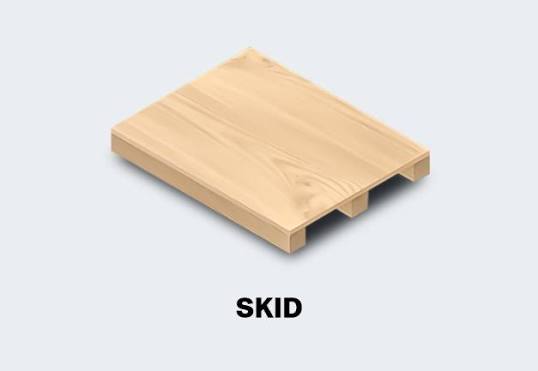
A skid pallet is a platform with a top deck supported by runners or stringers underneath. Unlike many conventional pallets that have both a top and bottom deck connected by blocks, a basic skid often has only a top deck and supporting runners.
Common wooden skid designs include:
- A solid or slatted top deck
- Two or more longitudinal runners
- Fasteners such as nails, screws, or staples
- Optional reinforcement for heavier loads
Skids are used in warehouses, manufacturing plants, storage yards, and shipping operations. They are especially common for machinery, heavy equipment, and oversized products.
Terminology can vary between suppliers and markets. Some businesses use “skid” and “pallet” interchangeably, while others treat them as distinct products. Always confirm the actual design, dimensions, and load rating before purchasing.
Are Skid Pallets Cheaper Than New Pallets?
There is no universal answer. Pricing depends on several variables:
- New skid pallets: A simple new skid with basic construction may cost less than a fully decked new pallet. However, a heavy-duty custom skid can cost more.
- Used skid pallets: These often carry the lowest upfront price, but condition and availability vary.
- Reconditioned skids: Repaired and refurbished skids may cost more than used units but less than new ones.
- New conventional wooden pallets: Standard new pallets are mass-produced in common sizes, which can make them price-competitive.
- Custom-built skids: Custom dimensions, hardwood, or reinforced designs increase cost.
Simpler construction or reclaimed materials can reduce the initial purchase price. However, a lower purchase price does not automatically mean lower total cost. A cheap used skid that fails under load or damages products can end up costing more than a properly specified new pallet.
If you are comparing current prices, verify figures for your country, currency, dimensions, quantity, and condition. Prices change with lumber markets, supply, and demand.
What Factors Affect Skid Pallet Prices?
Several variables influence the cost of skid pallets:
- Wood type: Pine is often less expensive; hardwood costs more but may offer greater strength.
- Dimensions: Standard sizes cost less than custom sizes.
- Construction: Board thickness, runner design, fasteners, and reinforcement all affect price.
- Condition: New, used, repaired, or refurbished skids are priced differently.
- Load requirements: Skids rated for heavier static, dynamic, or racking loads require more material and cost more.
- Order quantity: Bulk orders typically reduce the per-unit price.
- Supplier location: Delivery distance and local availability affect total cost.
- Treatment: Heat treatment or other export requirements add cost.
Heavier-duty construction increases upfront cost but may reduce replacement frequency.
Skid Pallets vs New Pallets: Which Offers Better Value?
Value depends on how well the pallet performs in your specific operation. Consider these factors separately.
Initial Purchase Cost
Used or basic skids may have a lower purchase price than new pallets. However, new pallets may be more cost-effective if they last significantly longer or reduce product damage.
Durability
Durability depends on wood quality, design, load distribution, handling practices, and maintenance. A well-built skid can last as long as a conventional pallet. A poorly built skid may fail quickly regardless of whether it is new or used.
Load Capacity
Static, dynamic, and racking loads are different. A skid rated for static storage may not be safe for forklift handling or racking. Always obtain the supplier’s rated capacity for the specific design and application.
Handling and Compatibility
Check compatibility with:
- Forklift entry
- Pallet jacks
- Conveyor systems
- Warehouse racks
- Stacking arrangements
A skid without a bottom deck may not work with certain automated systems or racking designs.
Maintenance and Replacement
Repair costs, inspection frequency, and replacement rates affect total cost. Damaged boards or runners can often be repaired, but repeated repairs may erase initial savings.
When Should You Choose Skid Pallets?
Skid pallets may suit:
- Industrial equipment
- Heavy or oversized products
- Warehouse storage
- Custom packaging
- Machinery transportation
- Applications where a bottom deck is not required
Confirm handling equipment compatibility before ordering. A skid that cannot be moved safely by your forklift or pallet jack is not a bargain.
When Are New Conventional Pallets a Better Option?
New pallets may be appropriate for:
- Standardized logistics operations
- Repeated warehouse handling
- Automated systems
- Specific racking requirements
- Export shipments
- Consistent dimensions and specifications
Conventional pallets are not always more durable or suitable. The right choice depends on your operation.
How to Calculate the Real Cost of a Pallet
Use a simple framework:
Total pallet cost = Purchase price + Delivery + Handling + Repairs + Replacement costs + Other applicable expenses
A lower purchase price may not represent better long-term value if the pallet requires frequent repairs or is unsuitable for the operation. Calculate cost per use or cost per year to compare options fairly.
What Should You Check Before Buying Skid Pallets?
Use this practical checklist:
- Exact dimensions
- Wood type
- Board and runner thickness
- Load capacity
- New or used condition
- Cracks, splits, and loose fasteners
- Forklift and pallet jack compatibility
- Stacking requirements
- Export treatment or documentation
- Bulk order pricing
- Delivery charges
- Supplier replacement policy
Final Thoughts
Are skid pallets cheaper than new pallets? Sometimes, yes—but not always. Skid pallets can be a cost-effective option when their construction and specifications match the application. A simple used skid may cost less than a new pallet, while a custom heavy-duty skid may cost more.
Before deciding, compare purchase price, performance, handling compatibility, maintenance, and expected replacement costs. Confirm the actual design, load rating, material, and intended handling method with your supplier. The cheapest option is not always the best value—the right option is the one that performs reliably in your operation.
Leave A Comment