

Can pallet jacks be used with stringer pallets? - Nejoum Al Sahil Carpentry
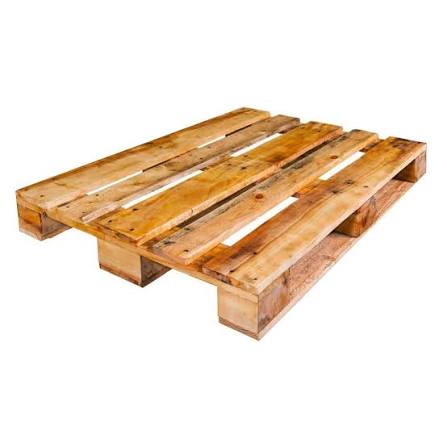
Pallet jacks are commonly used in warehouses, factories, retail stores, and distribution centers to move goods from one place to another. However, not every pallet is designed to work with every type of material-handling equipment. One common question among warehouse managers and business owners is: Can pallet jacks be used with stringer pallets?
The answer is yes, pallet jacks can be used with stringer pallets, but compatibility depends on the pallet’s design, the openings available for the forks, and the type of pallet jack being used. Understanding these factors can help businesses move goods safely and efficiently.
What Is a Stringer Pallet?
A stringer pallet is a type of wooden pallet constructed using long wooden boards called stringers. These stringers run between the top and bottom sections of the pallet and provide structural support for the goods placed on it.
Stringer pallets are commonly made from softwoods such as pine and may also be manufactured using other types of timber. They are widely used in shipping, storage, manufacturing, and distribution.
Stringer pallets are available in different sizes and designs. Some have notches cut into the stringers to allow forklift access from multiple sides, while others have solid stringers that restrict access.
This difference is important when deciding whether a pallet jack can be used.
What Is a Pallet Jack?
A pallet jack is a material-handling tool designed to lift and move loaded pallets over relatively short distances. It is commonly used in warehouses, loading areas, shops, and storage facilities.
There are two main types of pallet jacks:
1. Manual pallet jack
A manual pallet jack uses a hydraulic mechanism operated by pumping a handle. It is suitable for moving pallets over short distances without requiring electricity.
2. Electric pallet jack
An electric pallet jack uses a battery-powered motor to help lift and move loads. It is often used in busy warehouses where workers need to move pallets frequently.
Both types may be compatible with stringer pallets, provided the pallet’s design allows proper fork entry and the equipment can safely handle the load.
Can a Pallet Jack Fit Under a Stringer Pallet?
Yes, a pallet jack can fit under many stringer pallets, but it depends on the pallet’s construction.
Pallet jacks have two forks that slide underneath a pallet to lift it. For successful operation, the forks must enter the pallet without hitting the stringers or other structural components.
Stringer pallets with suitable openings and notched stringers are generally easier to access with pallet jacks. However, pallets with solid stringers may restrict entry from certain sides.
Before using a pallet jack, check the following:
- Whether the forks can enter the pallet openings.
- Whether the pallet provides sufficient clearance for the jack.
- Whether the fork dimensions match the pallet design.
- Whether the pallet is damaged or unstable.
- Whether the loaded pallet is within the jack’s rated capacity.
Never force the forks into a pallet if they cannot enter properly.
Two-Way vs. Four-Way Stringer Pallets
The number of entry directions is one of the most important factors affecting pallet jack compatibility.
Two-way stringer pallets
Two-way stringer pallets generally allow forklift entry from two opposite sides. Solid stringers may prevent access from the other two sides.
A pallet jack may work with this design if its forks can enter from an available side and there is enough clearance underneath the pallet. However, access can be limited in narrow aisles or crowded storage areas.
Four-way stringer pallets
Four-way stringer pallets are designed to allow handling from all four sides, often through notches in the stringers.
This design can provide more flexibility when moving pallets around a warehouse. Nevertheless, the actual openings must still be large enough for the pallet jack’s forks and wheels.
Important: Four-way forklift entry does not automatically guarantee compatibility with every pallet jack. Always check the pallet’s dimensions and the equipment specifications.
How to Choose the Right Pallet Jack for Stringer Pallets
Choosing the right pallet jack helps reduce handling difficulties and improves workplace safety.
Consider these factors before purchasing or using equipment.
1. Fork length
The pallet jack’s fork length should suit the pallet’s dimensions. Forks that are too long or too short may cause handling difficulties or uneven load support.
2. Fork width and spacing
The spacing between the forks must allow them to enter the pallet openings correctly. Check the pallet jack manufacturer’s specifications before use.
3. Lifting height
The forks must rise high enough to lift the pallet clear of the floor. Check the jack’s lifting range, particularly when using pallets with low ground clearance.
4. Load capacity
Choose a pallet jack with a rated capacity suitable for the total weight of the pallet and its contents. Never exceed the equipment’s maximum capacity.
5. Floor conditions
Uneven surfaces, damaged floors, ramps, and narrow aisles can make pallet movement more difficult. Choose equipment suitable for the working environment.
Common Problems When Using Pallet Jacks with Stringer Pallets
Even when a pallet jack appears compatible, some problems may occur.
Limited fork entry
Solid stringers can block access from certain sides. Position the pallet jack at an appropriate entry point rather than forcing the forks underneath.
Low ground clearance
Some pallet designs provide limited space beneath the pallet. If the jack’s wheels or forks cannot clear the bottom boards, the equipment may not be suitable.
Damaged stringers
Cracked, broken, or weakened stringers can reduce the pallet’s stability. Inspect the pallet before lifting or transporting goods.
Uneven weight distribution
Loads that are concentrated on one side may cause the pallet to tilt or become unstable. Arrange goods evenly and secure them where necessary.
Incorrect pallet jack size
A jack with unsuitable fork dimensions may not enter the pallet correctly or support it properly. Confirm compatibility before regular use.
Are Stringer Pallets Suitable for Warehouses in the UAE?
Stringer pallets are used in many types of warehousing and distribution operations. In the UAE, businesses in Dubai, Abu Dhabi, Sharjah, and other commercial areas may use them for storing products, transporting materials, and handling shipments.
When selecting pallets for a UAE warehouse, businesses should consider pallet dimensions, expected load weights, available handling equipment, storage layout, and exposure to heat or moisture.
If pallet jacks are used frequently, selecting stringer pallets with suitable fork openings can help reduce handling problems and improve workflow.
For operations that require access from multiple sides, compare the design of two-way and four-way entry pallets before placing a bulk order.
Safety Tips for Using Pallet Jacks with Stringer Pallets
Follow these basic precautions to reduce the risk of accidents:
- Inspect the pallet for broken boards, loose nails, and damaged stringers.
- Check the pallet jack’s rated load capacity.
- Insert the forks fully and correctly before lifting.
- Keep the load balanced and stable.
- Avoid lifting damaged or unstable pallets.
- Keep hands and feet away from moving wheels and pinch points.
- Follow the equipment manufacturer’s instructions.
- Use appropriate procedures when working on ramps or uneven surfaces.
If a pallet cannot be lifted securely, use compatible equipment or replace the pallet instead of attempting an unsafe lift.
Frequently Asked Questions
Can manual pallet jacks lift stringer pallets?
Yes. Manual pallet jacks can lift compatible stringer pallets when the fork openings, clearance, and load capacity are suitable.
Are four-way stringer pallets better for pallet jacks?
They can offer more entry options than two-way designs. However, compatibility still depends on the actual openings and the pallet jack’s dimensions.
Can electric pallet jacks be used with wooden stringer pallets?
Yes, provided the pallet is compatible with the equipment and the load remains within the specified capacity.
Can pallet jacks damage stringer pallets?
They can damage pallets if the forks are forced into blocked openings, the pallet is lifted incorrectly, or the load exceeds the pallet’s capacity.
Conclusion
Pallet jacks can be used with stringer pallets when the pallet design provides suitable fork access and clearance. Two-way stringer pallets may restrict entry to certain sides, while four-way designs can offer greater flexibility.
Before using a pallet jack, check the pallet’s construction, fork openings, load capacity, and overall condition. Selecting compatible pallets and handling equipment helps businesses improve warehouse efficiency, protect goods, and maintain a safer working environment.
Leave A Comment