
Nejoum Al Sahil Carpentry
From custom carpentry to heavy-duty wooden pallets, Nejoum Al Sahil Carpentry delivers precision-built solutions across the UAE.



From custom carpentry to heavy-duty wooden pallets, Nejoum Al Sahil Carpentry delivers precision-built solutions across the UAE.


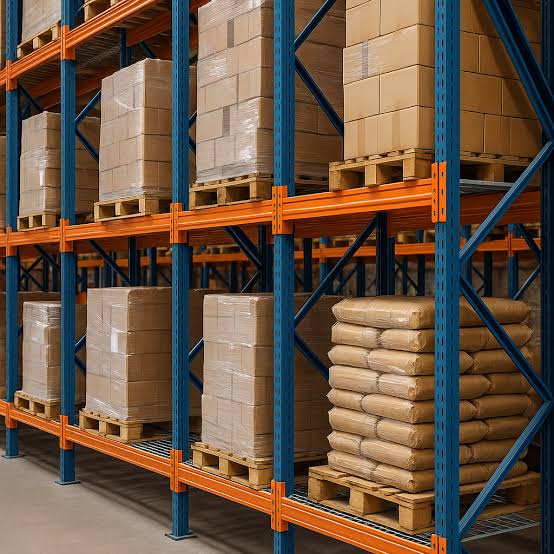
Stringer pallets are widely used in warehouses, factories, transportation, and logistics because of their strong and practical construction. They are designed to support different types of products during storage and transportation. However, one common question among buyers is: How much weight can a stringer pallet hold?
The weight capacity of a stringer pallet depends on several factors, including its dimensions, timber quality, construction, number of stringers, and load distribution. Some standard pallets are suitable for lighter goods, while heavy-duty designs can support much larger loads.
A stringer pallet is a type of wooden pallet constructed using long wooden boards called stringers. These stringers run between the top and bottom deck boards and provide structural support.
Most stringer pallets have two-way or four-way entry designs, depending on their construction. They are commonly used for moving, storing, and transporting goods in warehouses and industrial facilities.
Their simple design makes them a practical option for businesses that need reliable material-handling equipment.
There is no single weight capacity for every stringer pallet. The exact capacity depends on its design, materials, and intended use.
A pallet supplier may provide three important load ratings:
These capacities can be very different. A pallet that supports a heavy load while resting on the floor may not safely support the same load when placed on rack beams.
Buyers should always request the manufacturer’s load ratings rather than relying on a general weight estimate.
Several factors determine how much weight a stringer pallet can safely carry.
The type and quality of timber directly affect pallet strength. Strong, properly dried, and defect-free wood generally provides better support than weak or damaged timber.
Stringers are the main supporting components of the pallet. Their thickness, width, length, and number influence how the load is distributed.
A properly designed pallet with suitable stringers can provide better support for heavy products.
Pallet size affects how weight is distributed across its surface. Larger pallets may accommodate bigger products, but their load capacity still depends on the strength and arrangement of the supporting components.
The top deck boards directly support the products placed on the pallet. Thicker and appropriately spaced boards can help prevent bending and damage under suitable loading conditions.
How goods are arranged on a pallet is also important. Evenly distributed loads generally create less stress than loads concentrated in one small area.
Products that extend beyond the pallet edges may also create additional risks during handling and storage.
Cracked boards, loose nails, damaged stringers, moisture damage, and repeated heavy use can reduce a pallet’s ability to carry weight safely.
Used pallets should be inspected before being reused for heavy loads.
Yes, specially designed heavy-duty stringer pallets can be manufactured for industrial applications. They are used for transporting and storing machinery parts, construction materials, packaged goods, and other heavy products.
However, the pallet must be designed according to the actual weight, dimensions, handling method, and storage conditions of the goods.
For example, a pallet used for forklift transportation may require a different design from one intended for long-term warehouse racking.
Businesses should discuss their load requirements with the manufacturer before purchasing pallets for heavy industrial use.
Choosing the correct pallet helps protect products, workers, and warehouse equipment. Consider the following points before making a purchase:
Stringer pallets offer several advantages for warehouse and transportation operations.
There is no universal weight limit for standard stringer pallets. Their capacity depends on timber quality, dimensions, construction, and loading conditions. Buyers should confirm the rated capacity with the supplier.
Yes, heavy-duty stringer pallets can be designed for machinery and industrial equipment. Their dimensions and construction must match the equipment’s weight and load distribution.
Static load capacity refers to the weight a pallet can support while stationary on a suitable flat surface. Dynamic load capacity refers to the weight it can carry while being moved.
Yes. Manufacturers can adjust the pallet dimensions, timber thickness, stringer design, and deck board arrangement according to specific loading requirements.
They can be reused if they are in good condition and their load capacity is known. Damaged stringers, cracked boards, loose fasteners, and other defects can make them unsafe for heavy products.
Stringer pallets can support a wide range of loads, from ordinary warehouse goods to heavy industrial products. However, their actual weight capacity depends on their construction, timber quality, dimensions, and loading conditions.
Before purchasing, businesses should identify their product weight, storage method, and transportation requirements. Checking the manufacturer’s static, dynamic, and racking load ratings helps ensure that the selected stringer pallet is suitable for safe and efficient warehouse operations.
Leave A Comment