

That Old Wooden Pallet Behind the Store? It's Better Than You Think - Nejoum Al Sahil Carpentry
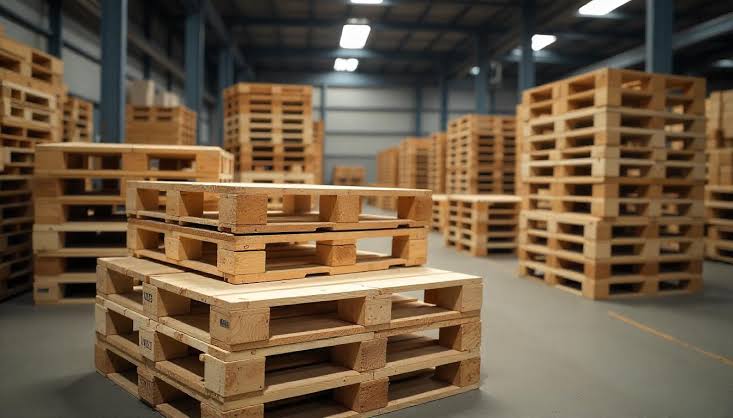
Every day, millions of wooden pallets get thrown away. They sit behind grocery stores, warehouses, and factories, getting soaked in rain and ignored by everyone who walks past. Most people see trash. I see something else. I see wood that has already survived harsh weather, heavy loads, and rough handling. I see wood that is done shrinking, done twisting, and done acting stubborn. You know what happens when you buy fresh lumber from the hardware store? It bends. It cracks. It fights you. But used pallet wood? It has already been through the wars. It is calm, stable, and ready to work. Best of all, it costs nothing. Today, we are going to talk about why these forgotten pieces of timber might just be the best building material you have never tried.
Heading 1: Why Old Wood Beats New Wood Every Time
Fresh wood is like a teenager. It is full of energy and does not know what it wants. You cut it, and it twists. You nail it, and it splits. You leave it outside, and it curls up like a dried leaf. Used pallet wood is different. It has spent years sitting in sun, rain, and humidity. All that stress has made it stable. The moisture has left. The fibers have settled. When you build something with old pallet wood, it stays exactly where you put it. No warping. No surprises. Just solid, honest wood that has learned to behave.
Heading 2: The Stamps Are Not Just Marks—They Are Stories
Flip a pallet over. Look at the side. You will see some letters and numbers burned into the wood. Most people ignore these. But these stamps tell you everything. The letters “HT” mean heat treated. That is good. It means the wood is safe and bug-free. If you see “MB,” walk away. That means they used dangerous chemicals to treat it. Now here is the fun part. If you see stamps from two different countries, you have found a traveler. That pallet has crossed oceans. It has been on ships and trucks. It has seen the world. That is not trash. That is a piece of global history sitting in your hands.
Heading 3: The Thick Blocks Are the Real Gold
Everyone grabs the flat boards on top. They are the prettiest, so people fight over them. But the real treasure is underneath. Those thick blocks that hold the pallet together are called stringers. They are often made of stronger, heavier wood than the top planks. And here is a secret—when forklifts miss, they leave deep cuts in these stringers. Those cuts look like damage. But they are actually ready-made slots. You can slide other boards right into those grooves and make shelves, benches, or table bases without cutting anything. The forklift already did the work for you.
Heading 4: Use Your Nose Before You Use Your Hands
This is the simplest rule, and nobody talks about it. Smell the pallet before you take it home. If it smells like vanilla, spices, or coffee, you are lucky. That pallet carried food. The smell is natural and harmless. Perfect for indoor projects. If it smells like diesel, bleach, or medicine, leave it there. That pallet carried chemicals. Those smells have soaked into the wood. You can still use it, but keep it outside—maybe for a garden fence or a compost bin. Your nose is smarter than any guidebook. Trust it.
Heading 5: The Smartest Way to Take a Pallet Apart
Forget the hammer. Forget the crowbar. They just smash the wood and break your boards. The fastest, cleanest way is a saw. Use a cheap reciprocating saw with a metal-cutting blade. Slide it between the top board and the thick block underneath. Cut straight through the nails. Do not pull them out. Just slice them. In five minutes, you will have perfect, unbroken boards with no cracks, no splits, and no torn edges. Every piece is usable. Nothing goes to waste.
Conclusion:
Used wooden pallets are not junk. They are patient timber waiting for someone to see their value. They have already survived the worst weather and the roughest handling. They are stable, strong, and free. All they need is a little attention, a few smart cuts, and someone who appreciates good wood. Next time you walk past a stack of pallets, stop. Look closer. That old, gray wood might just be the best material you will ever work with. And it costs nothing but your time.
Leave A Comment